

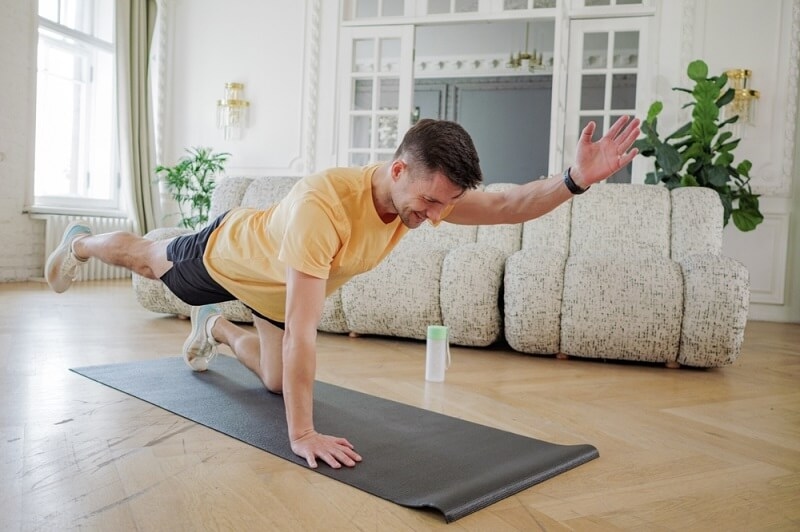
Maintaining physical fitness does not require a gym membership or expensive machines when effective Home Workout Routines are available at your fingertips. By starting with a solid Beginner Fitness Plan, anyone can build a foundation for long-term health and vitality. Many people prefer a No Equipment Workout Plan because it removes the barriers of cost and space. This approach allows for a total body transformation using only the weight of your own frame. Taking charge of your health in the living room is a practical way to ensure consistency and see real change.
Getting started is often the hardest part of any wellness journey. A well-structured Beginner Fitness Plan focuses on mastering basic movements to prevent injury and build confidence. It is vital to learn how the body moves before adding intensity or speed. This stage is all about creating a habit that feels sustainable rather than exhausting.
A Beginner Fitness Plan should be followed three times a week to allow for proper muscle recovery. Small steps taken early on lead to much larger gains as the body becomes more capable.
Resistance is necessary for building muscle, but that resistance can come from your own limbs. Bodyweight Strength Training uses gravity to create tension, which helps in developing lean muscle mass and bone density. This type of exercise is functional because it mimics the movements used in everyday life. It makes carrying groceries or climbing stairs feel much easier over time.
Engaging in Bodyweight Strength Training regularly keeps the metabolism active and the heart healthy. It is a versatile way to train that can be adjusted for any difficulty level by changing the angle of the movement.
For those with limited time, short bursts of high energy are incredibly effective. A HIIT at Home Guide typically involves working at maximum effort for twenty seconds, followed by ten seconds of rest. This method keeps the heart rate elevated and burns more calories in a shorter period than steady-state cardio. It is an excellent way to boost cardiovascular health while staying in one spot.
Following a HIIT at Home Guide twice a week can drastically improve how the body uses oxygen. This style of training is intense but offers the fastest path to improving physical conditioning and burning fat.
Building the ability to move for longer periods is essential for overall stamina. Incorporating Endurance Building Exercises into a weekly schedule helps the lungs and heart work more efficiently. This type of training is less about speed and more about keeping a steady rhythm for an extended duration. It builds the mental toughness needed to push through difficult tasks in daily life.
Consistent Endurance Building Exercises ensure that the body does not tire easily during physical labor. They provide the energy needed to stay active from morning until evening without feeling drained.
The best exercise program is the one that actually happens, regardless of where a person is located. A No Equipment Workout Plan is the ultimate solution for busy professionals or parents who cannot leave the house. By using chairs, walls, or floor space, any room can be turned into a personal training zone. This flexibility makes it much harder to find excuses for skipping a session.
Utilizing a No Equipment Workout Plan proves that results come from effort rather than fancy tools. It simplifies the process of getting fit by focusing on what is truly necessary for physical progress.
Creating a schedule for Home Workout Routines provides a sense of order and purpose. Tracking progress by counting repetitions or timing sets helps keep the motivation high over the months. It is helpful to set specific targets, such as completing ten full pushups or holding a plank for one minute. These small milestones serve as proof that the hard work is paying off.
Adherence to Home Workout Routines calls for dedication, but the benefits to the mind and body are well worth the hard work. A stronger body can translate to a more confident and positive attitude towards life.
The key to any exercise is form, as it helps engage the correct muscles. In Bodyweight Strength Training, even the slightest variation in hand or foot position can completely alter the exercise experience. It is far better to perform an exercise with deliberate, controlled movements than to hurry through a set with improper form.
Quality always beats quantity when it comes to Bodyweight Strength Training sessions. Proper execution leads to better muscle activation and much faster visible results for the athlete.
Intensity can be scary at first, but a HIIT at Home Guide makes it approachable by breaking it into small chunks. Playing upbeat music or following a video can help maintain the high energy needed for these intervals. It is okay to start with shorter work periods and longer rests as the body gets used to the demand. The goal is to finish the session feeling challenged but not completely defeated.
A HIIT at Home Guide is a powerful tool for anyone looking to see changes in their body composition quickly. It turns the living room into a high-energy environment that fosters physical excellence.
Improving your health starts with the decision to move more every day. By using these Home Workout Routines, you can reach your fitness goals from the comfort of your own home. Take the first step toward a stronger you by trying a simple routine this afternoon. Stay consistent with your plan and enjoy the energy that comes with a dedicated and active lifestyle. Small efforts lead to great health.
Most people see the best results by exercising three to five times per week. This frequency allows for enough activity to spark change while giving the body time to recover between sessions.
Yes, you can build significant strength and muscle by using your own bodyweight as resistance. By increasing the difficulty of the moves or the number of reps, the muscles are forced to grow.
Marching in place, jumping rope, and performing long sets of low-impact movements like side-to-side steps are excellent choices. These keep the heart rate up for a steady period without needing much space.
Beginners should start with basic movements and longer rest periods to build a baseline of fitness. Once the form is perfect and stamina has improved, the intensity of the intervals can be increased.
This content was created by AI