

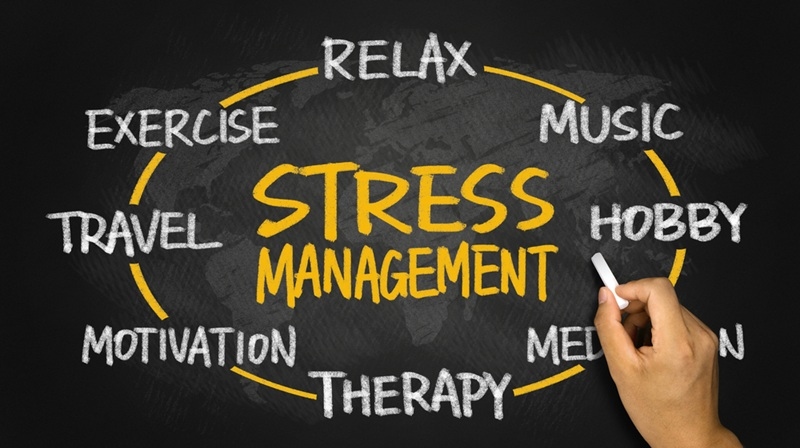
Stress is part of life now—there’s no getting around it. Deadlines, money worries, family stuff, health problems, and being plugged in all the time can pile up until you feel totally maxed out. Short bursts of stress sometimes help you get things done, but when it sticks around for weeks or months, it really drags you down.
This blog will be digging into stress management techniques that genuinely work over the long haul—and don’t add more pressure to your day.
Stress only really becomes a problem when it sticks around. When you’re always on edge, you start sleeping badly, snapping at people, feeling tired, and struggling to focus. Your stomach might protest, too. Good stress management breaks that cycle and helps you get back to feeling normal.
It’s not about dodging every challenge. Life’s always going to be messy. The trick is learning how to handle it better. When you practice stress management consistently, you’ll probably notice you’re in a better mood, can concentrate more, and just feel steadier overall.
When you’re stressed, your body dumps out hormones like cortisol. That’s supposed to help you react fast in a pinch, but if you’re always stressed, your body never gets the signal to relax. Your shoulders stay tight, your breathing gets shallow, and your mind just runs in circles. Eventually, your body forgets how to loosen up at all.
That’s why the first step in real stress management is teaching your nervous system how to chill out again—and then working on handling tough emotions.
Your nervous system calls the shots on how you react to stress. If it’s always fired up, even small problems feel huge. Calming your nervous system helps you stop overreacting and feel more in control.
You don’t need anything fancy—try slow, deep breaths, gentle stretching, grounding yourself by feeling your feet on the floor, or just sitting somewhere quiet for a few minutes. These little things tell your brain you’re safe, so your body stops bracing for disaster.
Do this stuff daily, and you’ll notice you’re less reactive and more focused. Over time, your stress response gets less jumpy, and you bounce back quicker when life throws you a curveball.
If you’ve been stressed for months or years, you won’t fix it overnight. Recovery is slow, and it needs patience and steady habits. Your body basically needs to learn it’s safe to relax again. Some basics are:
These habits help your body heal and clear your head.
It also helps to cut down on overwhelm. Set boundaries. Don’t say yes to everything. Make space for quiet time, so stress doesn’t just sneak right back in.
Cortisol is the main stress hormone, and it’s useful in short bursts. But if it stays high, you’ll notice your sleep, mood, immune system, and even your weight can get out of whack. Certain cortisol-lowering habits bring it down naturally.
The big ones? Get up and go to bed at the same time every day. Get sunlight in the morning. Move your body in gentle ways—walking works. Skip caffeine in the afternoon. These simple habits help reset your stress hormones.
And don’t try to overhaul your life overnight. Add one new habit at a time, so it actually sticks.
Your body has its own built-in system for calming down—the relaxation response. You can turn it on with certain exercises. Deep breathing works. So does progressive muscle relaxation (where you tense and release different muscles), listening to guided imagery, or stretching slowly. These calm your heart rate, loosen up muscles, and help your mind slow down.
Do one of these daily, even if it’s just for a couple of minutes. Over time, your body learns to relax more easily, even when life gets stressful. You’ll feel the difference.
Let’s face it—stress isn’t going anywhere, but how we react to it can change. That’s what mental resilience training is all about: learning to handle life’s curveballs without getting knocked off your feet.
Some of the simplest ways to build resilience? Start by flipping those negative thoughts around, look for solutions instead of just worrying about problems, and take a moment every day to feel grateful for something. Those little habits actually help you keep your head above water and make you feel stronger.
Stick with it, and you’ll notice something shifts. You bounce back from stress faster. You handle challenges without feeling wiped out all the time.
There’s no magical, one-size-fits-all trick here. The best stress relief comes from mixing a few simple habits and making them part of your daily routine.
Take a few deep breaths to calm down your nerves. Move your body—walk, stretch, whatever feels good. Spend a couple of minutes reflecting on your day. Each technique does its own thing, but together, they make a real difference.
It’s not about going all-in for one big day and then dropping it. Tiny, steady steps every day beat occasional bursts of effort, hands down.
The most effective stress-care routines are the ones you can actually keep up with. If you make it too complicated, you’re just adding more stress. So, keep it simple: walk a little, stretch out, focus on your breath, and get enough sleep. These habits support your body and mind—not just on their own, but they boost the power of any other stress management tools you use.
When your routine feels doable, it’s way easier to keep going. That’s how stress care turns into a lifestyle instead of something you drop after a week.
A lot of folks expect instant results. But real change takes time—there’s no shortcut. Another big mistake is dropping stress-care habits when life gets busy. That’s actually when you need them most.
And don’t try to do everything at once. Juggling too many techniques is overwhelming. Stick to a couple that works and build from there.
Your routine shouldn’t feel like a chore. Pick one or two easy ways to calm your nervous system—stuff you don’t dread doing. Do something relaxing at the same time every day, even if it’s just a few minutes. Creating a rhythm through grounding practices creates consistency in your life and builds mental resilience via journaling or reflexing at the end of the day.
You should also adjust the habits as you progress to ensure they work for you so you don't get burned out.
At first, change might be slow or hard to spot. But if you’re sleeping better or reacting more calmly, you’re on the right track.
Don’t beat yourself up over setbacks. Stress comes and goes. The real progress comes from getting back to your habits, not from being perfect every single day.
It is important to remember that managing stress over the long term is a journey of self-discovery that requires patience, consistent effort, and kindness towards oneself. Lasting change is best achieved through regular practices that help one relax the nervous system, reduce cortisol, and build emotional resilience.
When done right, one can experience a life of calm, focus, and harmony that lasts indefinitely.
If one sticks to them, most stress management techniques will show visible results in a few weeks.
Indeed, by following the tips for nervous system regulation, one can calm the body, which in turn can lead to a reduction in anxiety and an improvement in sleep.
Relaxation response exercises are mild, and it is believed that they would not pose any risk if done daily.
Mental resilience training is a way to develop one's emotional strength so that one can better handle the challenges of stress over time.
This content was created by AI