

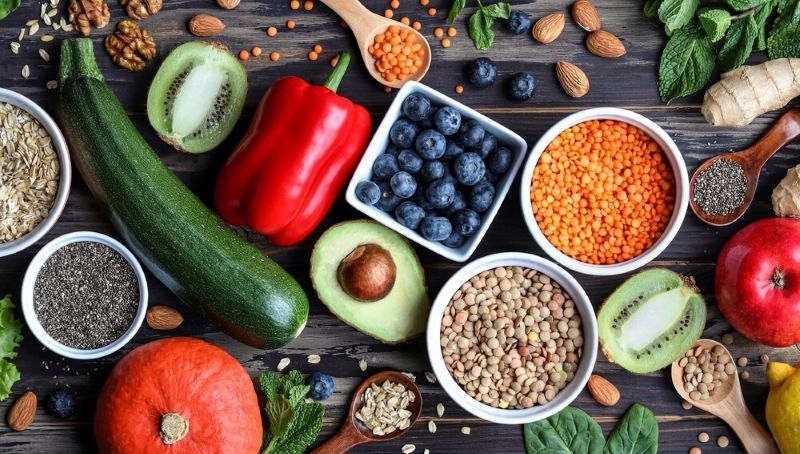
“Eat healthy” is easy advice to give and annoyingly hard advice to follow when life is busy. People don’t always need another list of rules. They need food choices that actually do something. More energy, steadier mood, better digestion, fewer cravings, stronger immunity, healthier aging. Real outcomes.
That is the whole point of functional foods. These are foods that offer benefits beyond basic calories and macros. They still count as food, not medicine, but they bring extra tools to the table: antioxidants, fiber, probiotics, omega-3s, polyphenols, minerals, and compounds that support how the body runs over time.
This guide explains what functional foods are, why they matter, and how to build them into everyday meals without turning dinner into a science project.
functional foods are simply foods that support specific body functions. Think of them as “nutrient with a purpose.” They can support gut health, heart health, brain health, immune resilience, and inflammation management.
They matter for long-term vitality because aging is not one event. It’s a slow accumulation of small stressors: poor sleep, chronic inflammation, nutrient gaps, blood sugar swings, low movement, high stress. Food won’t fix everything. But it can reduce the load.
A functional-food mindset also helps people stop thinking in extremes. It is not “perfect eating” or “junk food.” It is more like stacking small advantages across the week.
Functional foods show up in a few consistent categories:
If someone builds meals around these categories, the diet becomes naturally stronger without needing complicated rules.
Inflammation is normal in the body. It helps healing. The problem is chronic low-grade inflammation, which can be driven by poor sleep, stress, ultra-processed foods, and inactivity.
An anti inflammatory diet plan is less about one magical ingredient and more about patterns:
Food choices that support inflammation balance include olive oil, berries, leafy greens, fatty fish, nuts, beans, and spices like turmeric and ginger.
The main goal is consistency. A few meals a week won’t change much. A steady pattern will.
The word “superfood” gets overused, but some foods really are nutrient powerhouses. superfoods for immunity are usually foods high in vitamins, minerals, antioxidants, and gut-supporting compounds.
Practical examples:
A small but important point: the immune system is deeply tied to sleep and gut health. So functional foods work best when paired with basic lifestyle habits. Food supports the system. It does not replace it.
Adaptogens are herbs that are often discussed for stress resilience and energy balance. The phrase adaptogenic herbs benefits shows up everywhere, but the most sensible approach is to treat adaptogens as optional add-ons, not core nutrition.
Common adaptogens people use include ashwagandha, rhodiola, and holy basil. Some people report improved stress response or calmer energy, but results vary. Quality also matters. Dosage matters. And some herbs interact with medications.
A safe approach is to start with food first, then consider adaptogens with professional guidance, especially for anyone pregnant, nursing, or managing medical conditions.
Gut health is one of the clearest “functional” areas because the gut affects digestion, mood, immunity, and inflammation.
Foods that support gut function include:
People do not need to eat fermented foods daily, but including them regularly can support gut balance. The key is starting slowly if digestion is sensitive.
A lot of health advice fails because it assumes unlimited cooking time. Realistic nutrient dense meal ideas are quick, repeatable, and flexible.
Simple meal templates:
These meals are not fancy. They are functional because they pack protein, fiber, and micronutrients together. That combo supports stable energy and better recovery.
The best longevity nutrition tips are surprisingly simple:
Longevity nutrition is not a hack. It is a pattern repeated for years.
People who chase extremes often burn out. People who build steady habits usually win long-term.
Instead of changing everything, it helps to choose one or two functional upgrades per week:
Small changes build momentum. Momentum builds consistency. Consistency builds results.
This is where the second mention of functional foods matters. Functional eating is not about a perfect day. It is about a better week.
The second mention of an anti inflammatory diet plan works best as a routine, not a strict rulebook. A practical approach is to choose:
Once those are set, the rest of the week becomes easier. People stop relying on last-minute decisions, which is where most nutrition goals collapse.
The second time superfoods for immunity appears, it is worth saying this clearly: immunity support comes from stacking small positives, not chasing one miracle food.
A day of immune-supportive eating might include:
Not fancy. Just steady.
The second mention of adaptogenic herbs benefits is a reminder that herbs are not a replacement for sleep, protein, and fiber. They can be a supportive layer if someone responds well and uses high-quality products, but the foundation still needs to be food.
The second mention of nutrient dense meal ideas belongs here because meal prep does not need to be complicated. Even one batch-cooked base, like roasted vegetables or a pot of beans, can make healthy meals easier for days.
Busy weeks do not require perfect cooking. They require a plan that reduces decision fatigue.
The second mention of longevity nutrition tips is about staying realistic. The best diet is the one a person can keep. If a plan feels miserable, it will not last.
A sustainable approach includes flexibility. Social meals. Favorite foods. And a focus on patterns rather than perfection.
Functional foods are foods that provide health-supporting benefits beyond basic nutrition, such as supporting gut health, immunity, inflammation balance, or heart health.
Not usually. Many people can meet needs through food, but supplements may still be useful for specific deficiencies or medical advice. Food remains the best foundation.
Start small by adding one or two upgrades per week, like berries at breakfast, beans at dinner, or fermented foods a couple times weekly for gut support.
This content was created by AI