

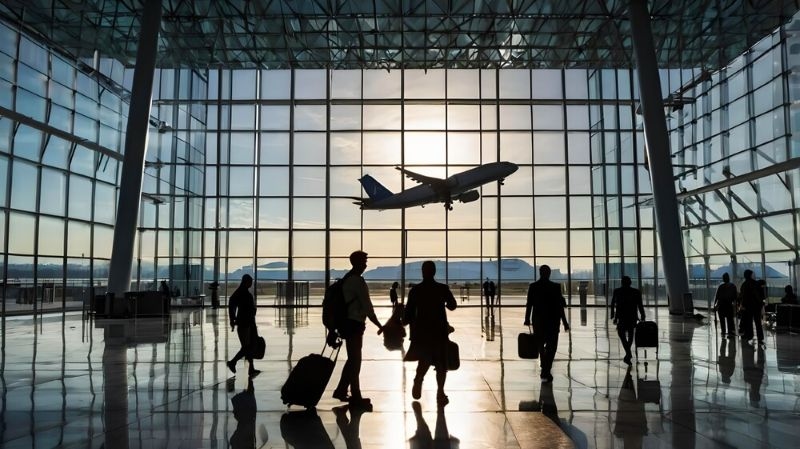
Travel in 2026 feels a little more intentional. People still love the big bucket-list moments, sure, but the vibe has shifted. Less “collect cities like stamps.” More “stay long enough to actually feel the place.” Fewer chaotic itineraries. More flexibility. More comfort. More meaning.
There’s also a practical reason behind it: prices, crowds, work schedules, and burnout are pushing travelers to plan smarter. Nobody wants to come home needing a vacation from their vacation.
This guide breaks down the biggest shifts and how they show up in real trips, not just glossy travel ads. If someone is curious about travel trends 2026, these are the patterns shaping how people book, move, and experience the world right now.
The headline trend is simple: travelers want options. They want flexible booking policies, easy rescheduling, and clearer cancellation rules. People got tired of fine print and “non-refundable” surprises.
They also want control over their travel pace. That’s why multi-stop trips are being replaced by fewer bases and longer stays. The goal is to enjoy the place, not survive it.
Another big shift is how people choose destinations. They’re picking places that fit their lifestyle, not just their Instagram feed. Walkable neighborhoods, good public transport, calm cafes, and safe evening vibes are getting more attention than “top 10 photo spots.”
The slow travel movement is not about traveling slowly just for romance. It’s about traveling in a way that feels human. Instead of three cities in seven days, travelers are choosing one region and exploring it deeply.
What slow travel looks like in practice:
Slow travel often saves money too. Longer stays can mean better accommodation deals, fewer transport costs, and less impulse spending. The bigger win is emotional, though. Less stress, more connection.
Remote work travel is still a huge driver, but people are becoming smarter about what “work from anywhere” actually means. It’s not only beaches and laptops. It’s Wi-Fi stability, time zones, quiet spaces, and routines that prevent burnout.
Practical digital nomad lifestyle tips that show up in 2026:
The new wave of digital nomads is less chaotic. More intentional. People want the freedom, but they also want to feel well while doing it.
Sustainability used to be treated like an optional add-on. In 2026, it’s becoming a normal part of trip planning, mainly because travelers are noticing over tourism and environmental strain more clearly.
Sustainable travel planning looks like small choices that add up:
It’s not about perfection. It’s about doing better where it’s easy and meaningful. Travelers are also learning to spot greenwashing. If a hotel says “eco” but changes towels daily by default, that’s not really the vibe.
People are craving memories that feel personal, not generic. That’s why experiential travel ideas are taking over planning conversations.
Examples travelers are prioritizing:
The shift is clear. Travelers want stories, not just photos. They want “I learned something” and “I met someone interesting” moments.
The location decision is changing too. People aren’t only asking “Is it beautiful?” They’re asking “Can I live here for a month and still feel good?”
That’s why remote work travel destinations are often evaluated by:
Some travelers are choosing smaller cities over capitals for a calmer pace and better value. Others are choosing places with strong long-stay infrastructure, like serviced apartments and monthly rentals.
A noticeable 2026 pattern is modular planning. Travelers book the core pieces, then keep the middle flexible.
Core bookings often include:
Then they leave room for spontaneous choices. This reduces pressure and prevents the trip from feeling like a tight schedule. This approach also fits the slow travel movement nicely because slower trips naturally allow flexibility. When someone stays longer, they don’t need to plan every hour.
The second wave of digital nomad lifestyle tips is focused on sustainability of the lifestyle itself. People learned that constant movement creates exhaustion.
Better strategies:
The happiest digital nomads tend to treat travel like life, not like a performance. They work, they rest, they explore, they repeat.
The second mention of sustainable travel planning matters because sustainability works best when it’s practical. Travelers don’t need to overhaul everything. A few consistent habits go a long way.
Easy sustainability upgrades:
Sustainable choices often improve the trip too. Local food tastes better. Local guides add depth. Less rushing feels calmer. It’s not a sacrifice, it’s often an upgrade.
The second round of experiential travel ideas is about choosing experiences that match personality. Not everyone needs adventure sports. Not everyone wants museums all day.
A simple way to choose experiences is to pick one from each category:
Those four categories tend to create balanced trips that feel memorable without feeling exhausting.
The second mention of remote work travel destinations ties directly to long stays. People are treating trips like temporary living, not short tourism.
Long stays often include:
That “normal” feeling is what makes remote work travel sustainable. It turns travel from a sprint into a rhythm.
The second mention of travel trends 2026 belongs here because the emotional reason behind these trends is obvious. People want travel to feel restorative, not draining.
After years of uncertainty and overstimulation, travelers are choosing trips that support:
Travel is becoming less about proving something and more about feeling something.
Longer stays and slower itineraries are rising fast, with travelers prioritizing comfort, flexibility, and deeper local experiences over rushed city hopping.
Not always. Using public transit, traveling in shoulder season, and supporting local businesses can be budget-friendly while also reducing environmental strain.
Choose fewer bases, stay longer in each place, verify Wi-Fi, build routines, and schedule rest days. Sustainable travel rhythms beat constant movement.
This content was created by AI