

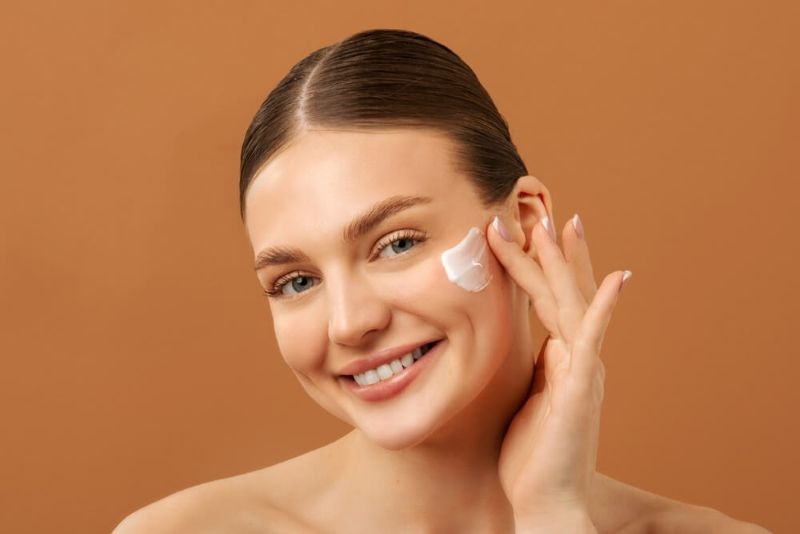
When skin is happy, it’s quiet. No stinging. No tightness. No random redness after washing. It just… behaves. When the barrier is damaged, skin gets loud. It burns when products touch it. It flakes and still feels oily. It reacts to everything, even things that used to be fine.
That is why skin barrier repair is not a trend. It’s the reset button for sensitive and dry skin. It helps skin hold onto water, keep irritants out, and stop reacting like it’s under attack.
This guide lays out a calm, practical routine that prioritizes comfort and consistency, not complicated steps.
The skin barrier is basically the body’s outer protection layer. It keeps moisture in and irritants out. When it’s strong, skin feels smooth and resilient. When it’s weakened, water escapes faster and outside triggers get in easier.
Common signs the barrier needs help:
A damaged barrier can happen from over-exfoliation, harsh cleansers, too many actives, hot showers, weather changes, stress, or even just doing “too much” because skincare content made it feel normal.
Many people don’t realize they are stripping their skin daily. The biggest culprits tend to be:
Oily skin can still have a damaged barrier. That combo is common: oil on the surface, dehydration underneath, and irritation everywhere.
When skin is sensitized, the goal is not brightening, smoothing, or anti-aging. The goal is comfort and stability. That means pausing strong actives temporarily. Yes, even the “miracle” ones.
Once the barrier is stable again, actives can be reintroduced slowly. But during repair mode, less is more.
A gentle skincare routine for barrier repair focuses on three steps: cleanse softly, hydrate deeply, seal it in.
Morning:
Night:
It looks too simple. That is why it works.
Ceramides are part of the skin’s natural lipid structure. When the barrier is damaged, ceramides help rebuild the “mortar” between skin cells.
The ceramide moisturizer benefits include:
Ceramides pair well with cholesterol and fatty acids, which is why many barrier-focused moisturizers include those ingredients.
In repair mode, a ceramide-based moisturizer is often the anchor product.
Not all moisturizers behave the same way on sensitive skin. Some feel rich but sting. Others feel light but don’t last.
Good hydrating face creams for repair mode usually focus on:
If a cream burns on contact, it’s not “working.” That’s a sign to stop and simplify further. Also, patch testing matters more than people admit. Sensitive skin can be picky.
A few small habits support recovery faster than product swapping. These damaged skin healing tips help reduce irritation and water loss:
Barrier repair is not only topical. It’s also environmental.
Dry air and UV exposure can keep skin in a constant “stressed” state.
When skin is red, people often reach for strong anti-redness treatments and layer too many things. That can backfire.
A smart redness reduction skincare approach starts with reducing triggers:
Redness often drops when the barrier improves. It is not always a separate problem. Sometimes it is the symptom.
One thick cream is not always enough if the skin is dehydrated. A better strategy is layering:
Hydrating serum or toner
Moisturizer
Optional occlusive on top, like petrolatum or a balm, on dry spots
This traps water and reduces trans epidermal water loss overnight.
The goal is waking up with skin that feels comfortable, not tight.
Once skin stops stinging and feels stable for at least two weeks, actives can return slowly:
If irritation returns, scale back again.
Repair mode is not failure. It’s maintenance.
Many people unintentionally slow progress by:
Sunscreen matters because UV exposure can worsen inflammation and weaken the barrier further.
To keep things easy:
It does not need to be perfect. It needs to be consistent.
The second mention of skin barrier repair matters here because repair is not a one-time event. It’s an approach. Skin can become reactive again during seasonal changes or stress. Having a “reset routine” prevents panic.
The second pass on ceramide moisturizer benefits is about maintenance. Even once skin improves, many people keep ceramides in their routine because they support resilience.
Barrier support is not only for dry skin. It helps almost every skin type tolerate weather, actives, and life.
The second mention of gentle skincare routine belongs here because sensitive skin often thrives with fewer steps. Cleanse lightly, hydrate consistently, and protect daily.
When the routine is simple, it is easier to identify triggers. And easier to stick with.
The second mention of redness reduction skincare is about flare-up mode. During flare-ups, drop back to basics immediately. Avoid exfoliation. Avoid new products. Focus on hydration and protection.
A short break from actives can prevent a small flare from becoming a long irritation cycle.
The second mention of hydrating face creams fits in the day routine too. A supportive moisturizer under sunscreen can reduce tightness and prevent sensitivity from worsening during the day.
Even oily skin can benefit from a light hydrating cream, especially in air-conditioned environments.
Many people notice improvement in 1 to 2 weeks, but full recovery can take several weeks depending on irritation level and consistency.
Usually yes. Pausing acids and scrubs helps skin calm down and rebuild. Exfoliation can be reintroduced slowly once skin is stable.
Ceramides, glycerin, panthenol, squalene, and gentle occlusives help support moisture retention and reduce irritation for many skin types.
This content was created by AI