

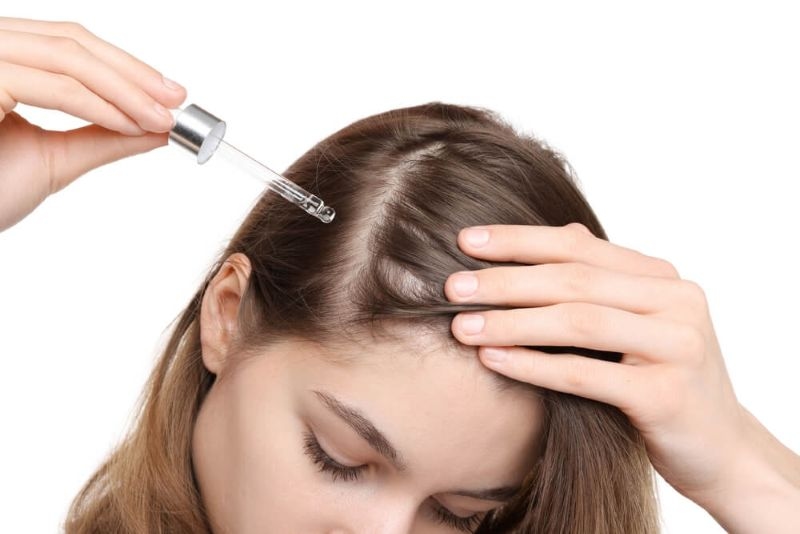
Hair thinning can mess with confidence in a sneaky way. It doesn’t usually happen overnight. It shows up slowly. A wider part. More hair in the shower. A ponytail that feels less full. Then someone starts scrolling product pages at 1 a.m., hoping the right bottle will undo months or years of change.
Here’s the honest deal: hair growth serums can help, but only when expectations are realistic and the routine is consistent. A serum won’t “magically” fix every kind of hair loss. But the right ingredients, applied correctly, can support scalp health, reduce breakage, and improve the look and feel of thickness over time.
This guide breaks down what hair growth serums can do, what they cannot do, and how to choose one without falling for marketing that sounds too perfect.
hair growth serums are topical products applied to the scalp or hairline with the goal of improving the environment where hair grows. Some aim to stimulate follicles. Some reduce inflammation. Some support the scalp barrier. Others focus on strengthening hair strands so they break less, which can look like “more growth” even when it’s mostly retention.
That’s the key difference many people miss. Thicker hair can come from:
A good serum often helps with at least one of those categories. The best routines combine scalp support and strand protection.
Not all thinning is the same. Hair can thin due to genetics, hormonal changes, stress, nutrient deficiencies, postpartum shifts, scalp conditions, tight hairstyles, or harsh chemical damage.
A person dealing with major shedding or patchy loss should consider dermatologist hair advice early, especially if:
If a scalp condition is driving shedding, no serum will fix it until the scalp issue is treated.
Hair follicles respond to circulation and scalp environment. That is why simple scalp stimulation treatments often pair well with serums.
Useful stimulation habits include:
The goal is not to “rub hair into existence.” It is to improve scalp comfort and support blood flow without irritation.
A serum applied to a clean scalp tends to absorb better, so stimulation and cleansing matter.
Not every “hair growth” ingredient is equal. Some have evidence, others are mostly cosmetic. Here are common categories that show up in stronger formulas:
Some serums also include oils. Oils can help with dryness and breakage, but they can also cause buildup for certain scalp types. For oily scalps, lightweight water-based serums often feel better.
People love biotin. It’s everywhere. Gummies, shampoos, and biotin hair products that promise faster growth. Biotin can help if someone is deficient. But most people are not. That means biotin often works better as a supportive nutrient rather than a miracle solution.
Topical biotin is usually included as part of a broader strengthening formula. It can support hair quality, but it typically does not override genetic thinning by itself. If someone suspects a deficiency, a clinician can help confirm it rather than guessing.
The strongest thinning hair solutions are usually routines, not single products. A full plan can include:
Also, stress and sleep matter. Hair is sensitive to systemic stress. People may hate hearing that, but it’s true. When the body feels under threat, hair growth is not the priority.
People often prefer “natural” approaches. Some natural hair regrowth remedies can support scalp health, but they need realistic expectations.
Examples include:
Natural remedies can help as supportive tools, especially for scalp comfort and breakage reduction. But they are not guaranteed cures for genetic hair loss. They work best as part of a larger plan.
A good serum used inconsistently won’t do much.
Basic use tips:
Hair grows slowly. Most people see early changes as reduced shedding or improved texture before they see obvious new growth.
Also, be gentle. Over-applying or over-massaging can irritate the scalp and backfire.
Many people quit too early or apply serums in ways that don’t help.
Common mistakes:
This is where dermatologist hair advice can be valuable again. A professional can help identify patterns that products cannot fix alone.
Hair progress is hard to notice day to day. The best approach is tracking monthly.
Practical tracking:
Small improvements add up. A few extra baby hairs around the hairline can be a sign the routine is working, even if the overall look changes slowly.
At 3 months, many people notice less shedding and improved scalp feel. At 6 months, hair may look fuller due to reduced breakage and more consistent growth cycles. At 12 months, longer-term regrowth results become clearer.
This is why hair growth serums require patience. Results are rarely instant, but consistent routines can produce meaningful changes.
Dry scalp
Look for soothing ingredients and barrier support. Avoid harsh alcohol-heavy formulas.
Oily scalp
Choose lightweight serums and keep cleansing consistent. Avoid heavy oils that sit on the scalp.
Sensitive scalp
Start with fewer actives and patch test. Too many stimulating ingredients can cause irritation.
Flaky scalp
Treat the root cause. Anti-dandruff care may be needed before a growth serum can work effectively.
A product that fits scalp type feels comfortable, which makes consistency easier.
Some people combine serums with in-office or clinical support. Options may include prescription topicals, oral treatments under medical guidance, or procedures like micro needling and PRP depending on the case.
That is why scalp stimulation treatments often expand beyond massage if a person wants more aggressive support. But it should always be done safely and with informed guidance.
They can help support scalp health, reduce shedding, and improve thickness over time, especially when used consistently and matched to the cause of thinning.
Most people need at least 12 weeks of consistent use, with clearer changes often appearing closer to 6 months depending on hair cycle and cause.
If shedding is sudden, patchy, painful, or paired with scalp inflammation, or if thinning progresses quickly, professional evaluation helps identify treatable causes.
This content was created by AI