

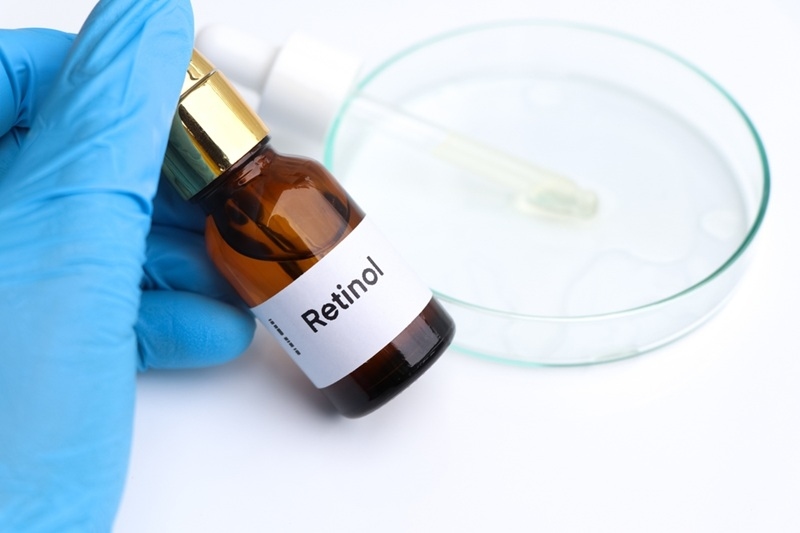
Looking for a better face? Choosing between retinol and peptides is a big step for your anti-aging skincare routine. Both of these are top collagen-boosting ingredients that help skin look younger. Some people like retinol for fast changes. Other people like peptides because they are very gentle on the skin. Knowing the benefits and side effects of retinol helps you choose what is best for your face. This guide shows how dermatology-backed skincare makes your skin glow and stay very strong.
When you look at your bathroom sink, you might see many bottles. Two of the most famous things in those bottles are retinol and peptides. People often wonder which one works better for wrinkles. Retinol vs. peptides isn't really a fight. There are two different ways to help your skin stay healthy. Retinol, a form of vitamin A, is powerful. Peptides are like tiny messengers that tell your skin to make more good stuff.
Using a peptide cream benefits the skin by firming it without stinging. If you want a good anti-aging skincare routine, you can use both. Retinol works deep within the skin to repair old skin cells. Peptides work on the surface and inside to keep things tight. Most dermatology-backed skincare plans say these two are the best for older skin. They are both great collagen-boosting ingredients that keep you looking fresh. Here's the thing: you don't have to choose just one.
Retinol is a very popular skincare ingredient. It helps the skin turn over faster, so old skin sheds and new skin comes in. This is why people love it for smooth faces. But you must be careful. There are benefits and side effects of retinol to consider before you start. Let's break it down so you know what to expect.
When you start a retinol vs. peptides plan, remember that retinol needs a slow start. Use it only two times a week at first. This is how dermatology-backed skincare experts say to do it. If you go too fast, your face might get flushed and turn red. What this really means is that patience is your best friend when using vitamin A.
If retinol is like a fast runner, peptides are like a slow and steady walker. A peptide cream benefits people who have very sensitive skin. Peptides are made of small pieces of protein. They tell your body to build more collagen. This makes the skin look plump and bouncy.
In an anti-aging skincare routine, peptides are easy to use. You can put them on in the morning and at night. They do not usually cause redness or peeling. This is a significant reason many choose retinol over peptides. They keep the skin barrier strong. A strong barrier means moisture stays on your face. This helps you stay hydrated throughout the day. Many dermatology-backed skincare fans love them for this reason.
To get the best results, you need a plan. Dermatology-backed skincare usually follows a simple order. You clean your face first. Then you put on your active things like serums or creams. If you are using collagen-boosting ingredients, you want them to come into direct contact with your skin.
By mixing these, you get all the retinol benefits and side effects managed well. You get the strength of the vitamin A and the calm of the proteins. This balance is what makes a face look healthy and bright. It is a smart way to treat your skin every day.
Collagen is what makes skin look young. As we get older, our bodies produce less of it. That is why we use collagen-boosting ingredients. In the debate over retinol vs. peptides, both are winners. Retinol tells the cells to make more collagen right now. Peptides give the skin the building blocks it needs to build over time.
A good peptide cream benefits the skin by supporting these building blocks. When you use these together, your skin gets a double dose of help. This is a key part of dermatology-backed skincare for 2026. Your skin will feel thicker and less like thin paper. It is a slow process, but if you stick with it, the change is significant. You will notice your face looks much more awake.
Choosing between retinol and peptides depends on your skin type. Retinol is powerful for lines, while peptides are great for sensitive skin. Use both for a perfect anti-aging skincare routine. These collagen-boosting ingredients work best with daily sunscreen and a bit of patience. Start your healthy skin journey today.
Yes, you sure can. Many people use peptides in the morning and retinol at night. This gives you the best of both worlds. It helps you manage retinol benefits and side effects while staying firm.
Peptides are much better for sensitive skin. They are very gentle. If your skin gets red easily, a peptide cream benefits you more than a potent retinol would.
It usually takes about three to six months. Your skin needs time to grow new cells. Consistency in your anti-aging skincare routine is the most important thing for success.
You can buy many of these at the store. But dermatology-backed skincare often comes in more potent formulations if you see a doctor. Start with the store versions first to see how your face feels.
This content was created by AI